


The hidden triggers of gambling behavior understanding the psychology behind your bets
The Role of Emotions in Gambling
Emotions play a crucial role in gambling behavior, often driving individuals to place bets impulsively. Feelings of excitement and thrill can lead to a rush of adrenaline, making it easy for players to lose track of their spending. This emotional high can create a cycle of wanting to chase that initial feeling, causing gamblers to place larger bets in hopes of recapturing the rush. In contrast, many players seeking adventure might explore options like uk casino sites not on gamstop instead of traditional venues.
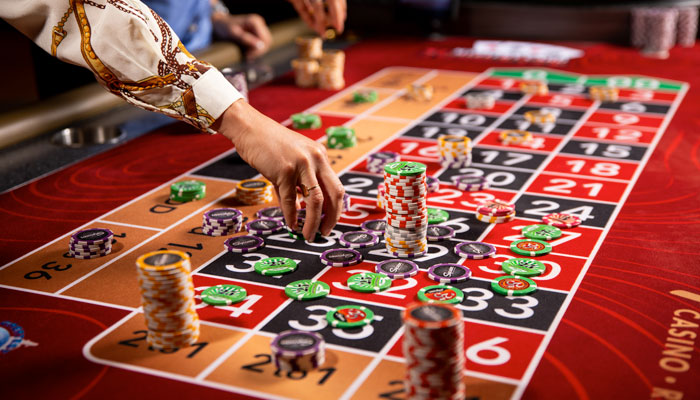
Furthermore, negative emotions such as stress or anxiety can also trigger gambling as a coping mechanism. Some individuals turn to the casino as a temporary escape from their problems, believing that a win could solve their issues. Understanding these emotional triggers can help gamblers recognize their patterns and make more informed decisions.
The Impact of Environment on Gambling Behavior
The environment in which gambling takes place can significantly influence behavior. Bright lights, loud sounds, and a vibrant atmosphere in casinos are designed to create an exhilarating experience. This sensory overload can lead to impulsive decisions, as the stimulating environment can distract players from their original intent and financial limits.
Moreover, social factors play an essential role. Being surrounded by fellow gamblers can create a sense of camaraderie and competition, further encouraging players to engage in riskier bets. Recognizing these environmental cues can help individuals maintain a healthier approach to gambling.
The Illusion of Control in Gambling
Many gamblers operate under the illusion that they can control the outcomes of games, especially in games of skill like poker or blackjack. This belief can lead to a distorted understanding of probability and risk. Gamblers may feel that their decisions can influence the outcome, resulting in reckless betting behavior when they feel “in the zone.”
This illusion is often reinforced by occasional wins, leading to overconfidence. Players may believe that their strategy is working, ignoring the role of chance. Acknowledging this cognitive bias is vital for developing a more realistic perspective on gambling and its inherent risks.
The Role of Rewards and Reinforcement
Gambling operates on a reward system that can trigger a cycle of behavior based on positive reinforcement. Winning—even small amounts—can trigger the release of dopamine, the brain’s feel-good chemical. This reward can create a desire to continue gambling, as individuals seek to replicate the pleasure associated with winning.
However, the reinforcement schedule in gambling is often variable, meaning that wins do not occur consistently. This unpredictability can lead to compulsive behavior, as players continue to gamble in hopes of hitting the next big win. Understanding this mechanism is crucial for recognizing and managing gambling habits effectively.

Understanding Gambling Behavior Through Research
Research into gambling behavior reveals critical insights into the psychological triggers that influence betting habits. Studies focus on various factors, including cognitive biases, emotional responses, and environmental cues. By examining these aspects, researchers aim to provide frameworks for understanding why people gamble and how they can better manage their impulses.
This website aims to share valuable information and resources related to the psychology of gambling. By enhancing awareness about these hidden triggers, we hope to empower individuals to make informed choices regarding their gambling behavior. Ultimately, understanding these factors can lead to healthier gambling practices and greater overall well-being.

